The short answer
A persistent musty smell usually means something in the building is staying damp long enough for mold or bacteria to grow. The source is often hidden: under a floor, inside a wall, in the air handler closet or in the attic. Start with the places that hold water, then follow where air moves.
Check these places first
Work from the most likely sources to the least likely. In Fort Worth homes, cooling equipment and crawl spaces top the list because they handle so much moisture during the long warm season.
- The HVAC closet: drain pan, condensate line and the drywall around the unit
- Under sinks in kitchens and bathrooms, especially at the back wall
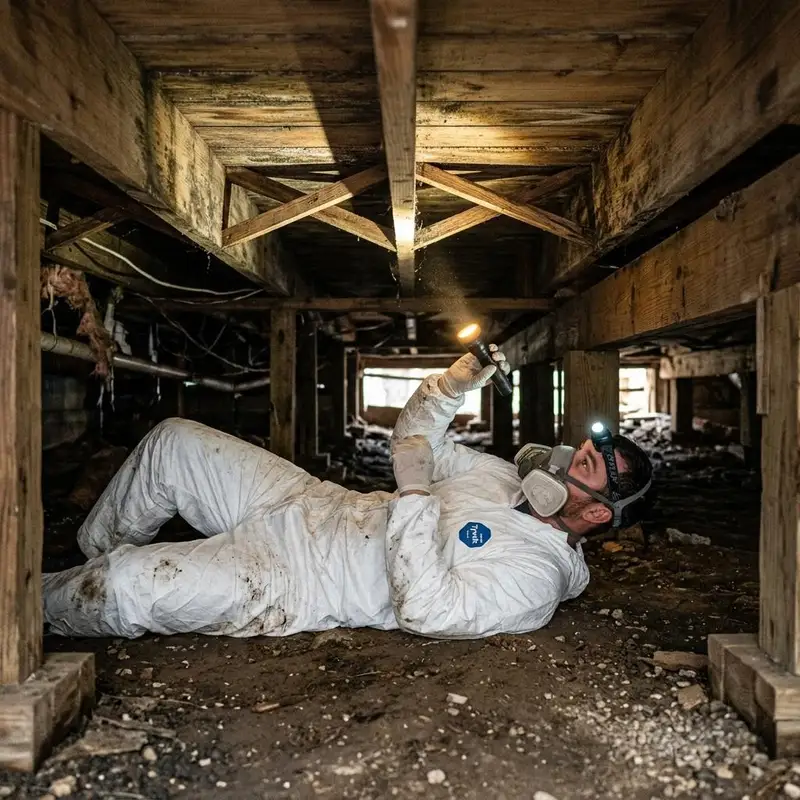
- Crawl spaces under pier and beam homes, if your home has one
- Exterior walls behind large furniture
- The attic, especially near bathroom exhaust fans and ducts
Notice when the smell gets stronger
Timing is a clue. If the odor is strongest when the air conditioning starts, the HVAC system or ductwork deserves a look. If it is strongest after rain, think about crawl spaces, foundations and roof leaks. If it lingers in one closet, the wall it shares with a bathroom or exterior is a likely suspect.
What not to do
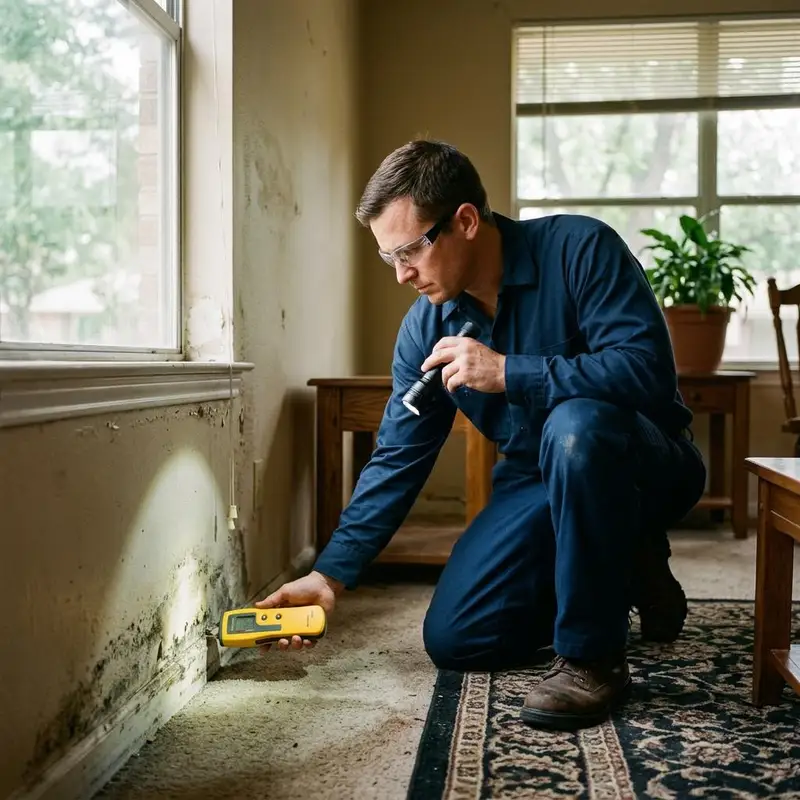
Covering the smell with fragrance hides your best clue. Spraying bleach on a wall you suspect will not reach growth inside it. Cutting random holes in drywall spreads dust without a plan. A moisture meter and a careful inspection usually point to the right spot first.
When to call
If the smell returns within a few days of airing out, or you notice stains, soft drywall or warped trim, an inspection is the efficient next step. An inspection pairs a visual review with moisture readings, and testing can be added when it helps answer a specific question.
Talk to Someone About Your Property
If this guide sounds like your situation, call Mold Removal Fort Worth Pros or email [email protected]. You can also browse all services or read more guides.