Prompt drying after water damage
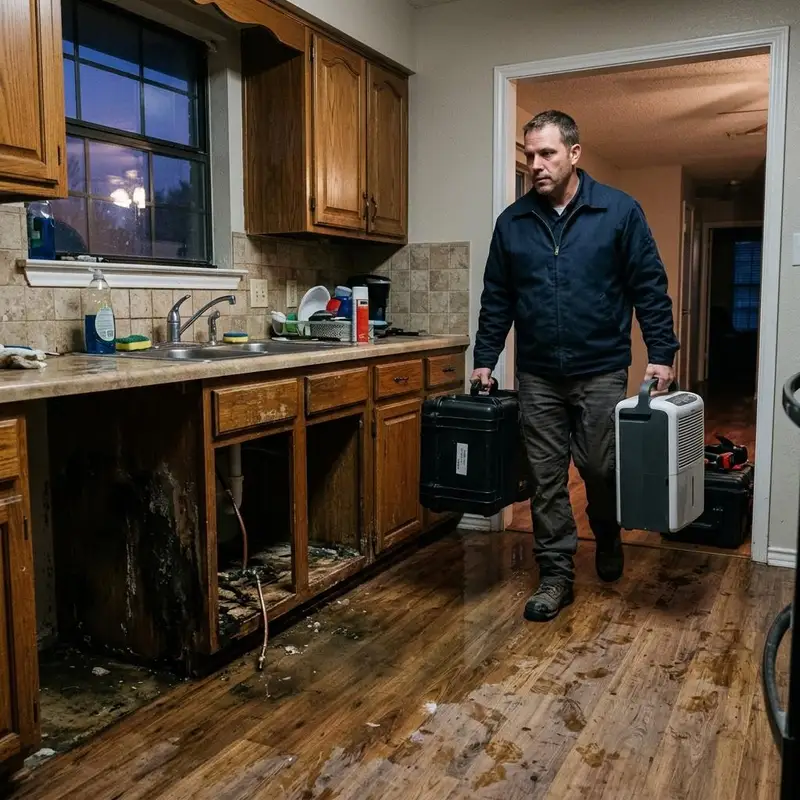
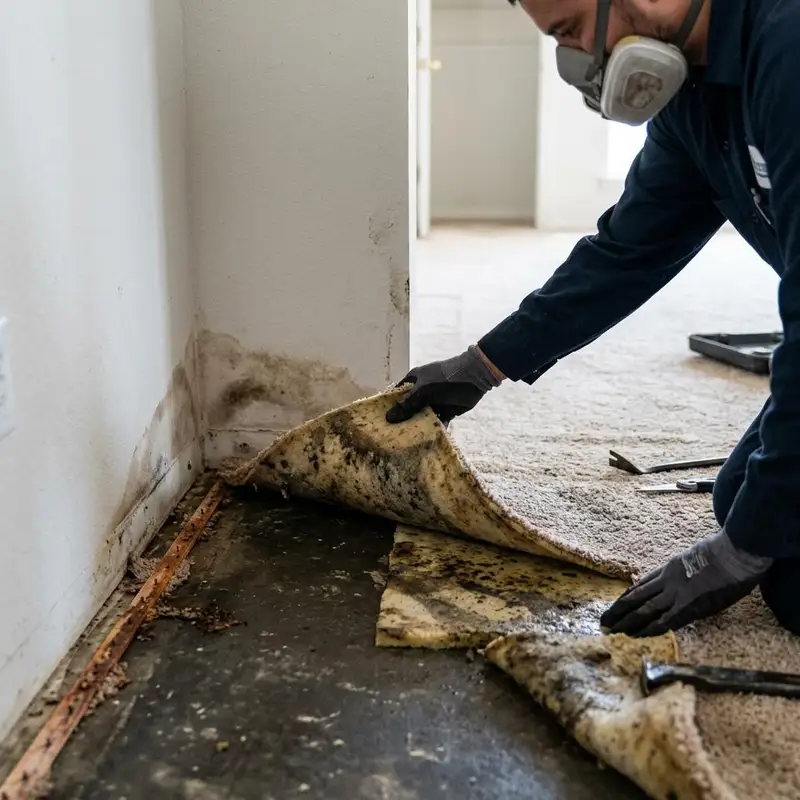
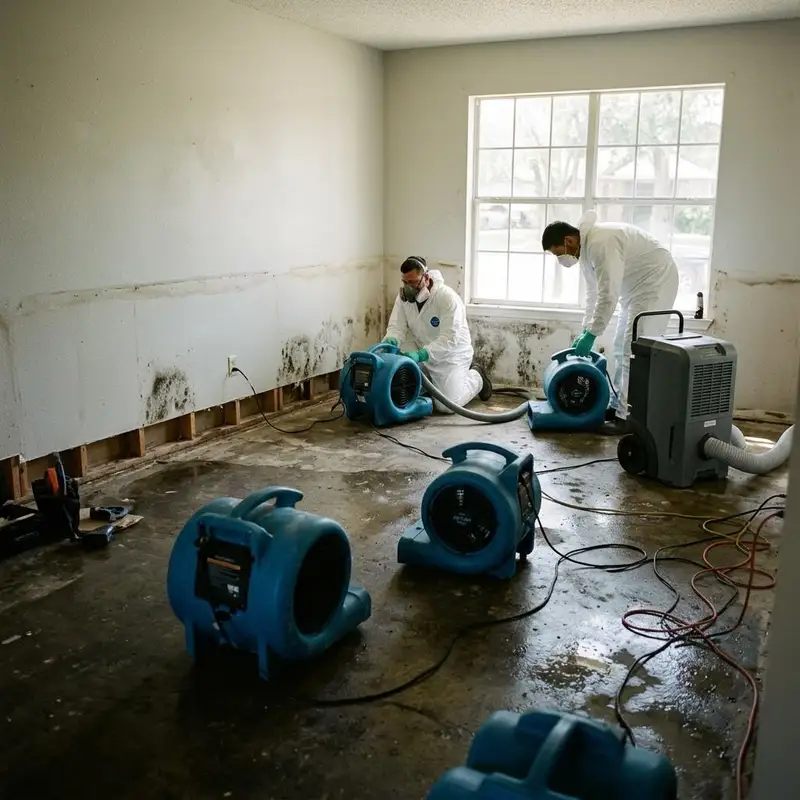
Mold can begin growing on wet drywall, carpet pad and wood within a day or two in warm conditions. Fort Worth humidity and heat make that window feel even shorter. The goal after a storm is to remove standing water and get materials drying as fast as possible.
First steps you can take
Safety comes first. Avoid standing water near electrical outlets or appliances, and do not enter a space with sagging ceilings.
- Stop the source if you can, such as tarping a roof opening or shutting off a supply line
- Remove standing water and move belongings to a dry area
- Pull wet area rugs and lift furniture off wet carpet
- Run air conditioning to lower humidity and open interior doors for airflow
- Photograph damage for your records before anything is discarded
Materials that rarely survive
Carpet pad, insulation and drywall that soaked up storm water often cannot be saved, especially if the water was contaminated. Particle board furniture and cabinets swell and lose strength. Hard materials like wood framing, tile and metal can usually be cleaned and dried.
Local drainage context
The City of Fort Worth Stormwater Management program assesses citywide flood risk and drainage capacity. Learning about drainage around your property can help you understand why water reached your home and plan for future storms. You can read more on the city stormwater page.
When professional help makes sense
If water reached inside walls, soaked carpet for more than a day, or came from outside the home, contained removal and drying are usually the safer route. Moisture readings show what is still wet even when it feels dry to the touch.
Talk to Someone About Your Property
If this guide sounds like your situation, call Mold Removal Fort Worth Pros or email [email protected]. You can also browse all services or read more guides.